
QR codes are now scanned by nearly 100 million Americans every month — and marketing campaign scans have grown 323% since 2021. Yet many marketers still wonder whether QR codes are actually worth including in their strategies, or if they are just a passing trend. The data tells a clear story: when implemented thoughtfully, QR codes are one of the most cost-effective, trackable, and versatile tools available to businesses of any size. In 2026, they are not just effective — they are essential.
This guide breaks down the ten core reasons why QR codes are effective for both businesses and consumers, backed by the latest research and real-world data. Whether you are evaluating QR codes for the first time or looking to sharpen an existing campaign, understanding what makes them work will help you deploy them with far greater impact. For a full picture of how to use them strategically, see our QR Code Marketing: The Complete Strategy Guide (2026).
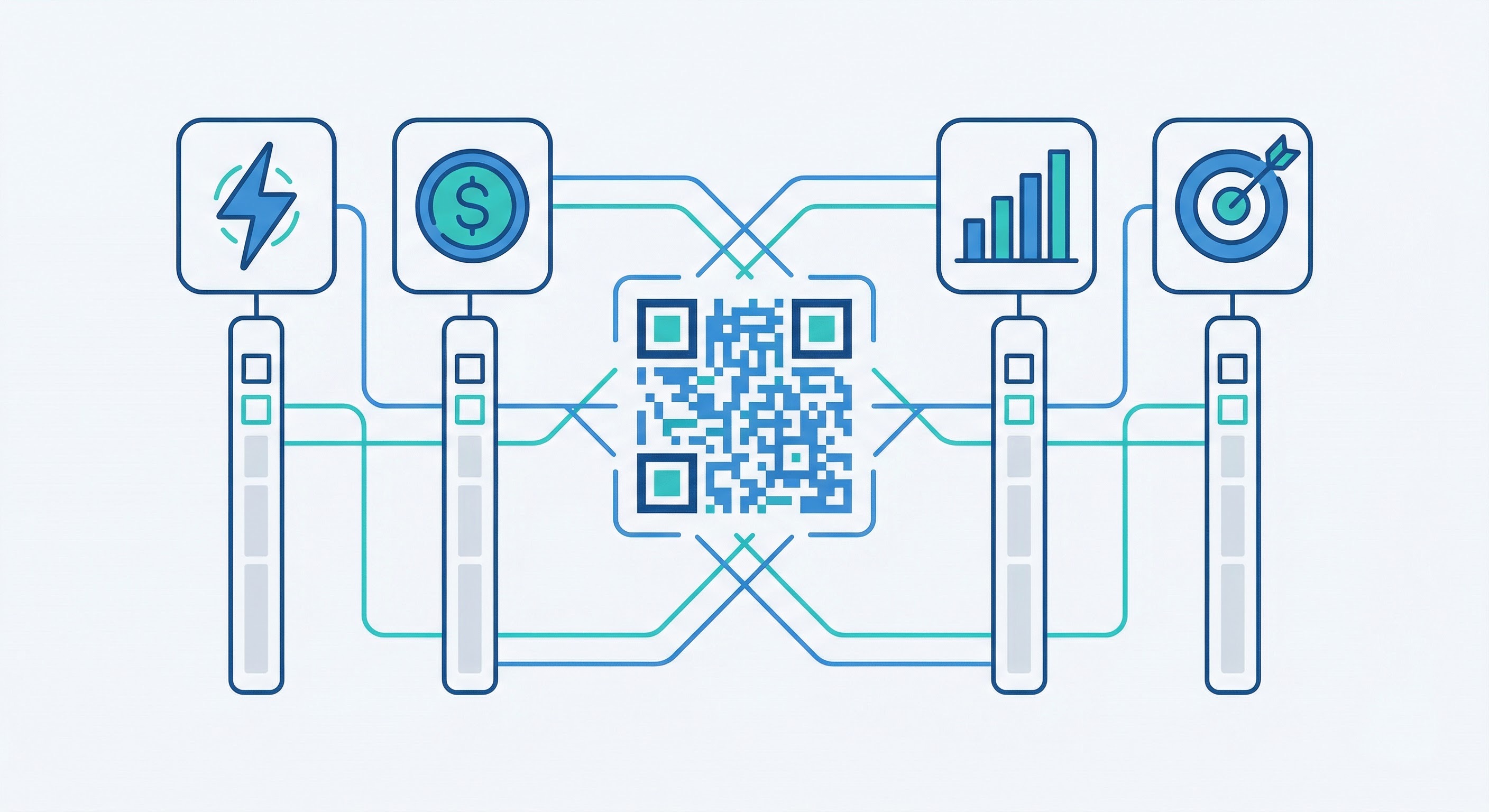
Effectiveness is not binary. A QR code that gets printed on a flyer but never scanned is not effective, regardless of how attractive it looks. Genuine effectiveness means a QR code achieves a measurable outcome: a scan, a click, a conversion, a piece of data, or a positive customer experience. According to Bitly's 2026 QR Code Statistics Report, 94% of marketers consider QR codes effective for driving customer engagement — a figure that reflects lived experience across industries, not just theoretical potential.
For a QR code to be effective, it typically needs to meet four criteria: it must be easy to scan (accessible placement, correct size, no damage), it must lead somewhere valuable (a relevant landing page, not a dead link), it must be measurable (ideally a dynamic code with analytics), and it must offer a clear reason to scan (a compelling call to action). When all four elements are present, QR codes consistently outperform traditional print media on every measurable metric. Our guide on 10 Mistakes to Avoid When Creating QR Codes (2026) covers the pitfalls that undermine even well-planned campaigns.
The single biggest barrier to consumer action is friction — any extra step between a person and the information or offer they want. QR codes eliminate that friction almost entirely. A customer who spots a QR code on a product shelf, a restaurant table, or a poster simply opens their smartphone camera, points it at the code, and is instantly delivered to a webpage, video, menu, or discount offer. No app download required. No URL to type. No search engine query needed.
This speed matters enormously. Research from Linkscan shows that 72% of QR code users scan at least once per month, with 32% scanning weekly — a habitual behavior driven largely by how effortless the experience is. The technology works natively on every modern smartphone across iOS and Android, making it accessible to consumers of all ages and tech literacy levels. For businesses, this means QR codes lower the cost of converting a passer-by into an engaged prospect to near zero.
The experience is further enhanced when QR codes are paired with a clear call to action — a short phrase like "Scan to see today's specials" or "Scan for 20% off" that sets expectations before the code is even scanned. When customers know what they are getting, scan rates climb sharply. For placement best practices, see our guide on QR Codes on Posters.
Unlike display advertising, video production, or influencer campaigns, QR codes have an exceptionally low barrier to entry. A single code can be created in minutes, and the cost-per-impression is among the lowest of any marketing channel. Once a QR code is printed on packaging, a poster, or a flyer, it serves as a permanent, always-on link between the physical item and a digital destination — for the entire life of that printed material.
For campaigns that require many unique codes — product serialization, event ticketing, loyalty programs — bulk QR code generation makes it possible to create hundreds or thousands of codes in a single CSV-driven operation, dramatically reducing time and cost. Supercode's professional QR code generator supports bulk creation alongside custom branding, folder organization, and analytics — all from a single dashboard. For a detailed breakdown of what to look for in a generator, see Best QR Code Generator 2026: Supercode vs QR TIGER, Bitly & More.
The economics become even more compelling with dynamic QR codes. Rather than paying to reprint materials every time a campaign changes, a dynamic code lets you update the destination URL from your dashboard at any time — the printed code itself never needs to change. This eliminates one of the most significant recurring costs in traditional print marketing.
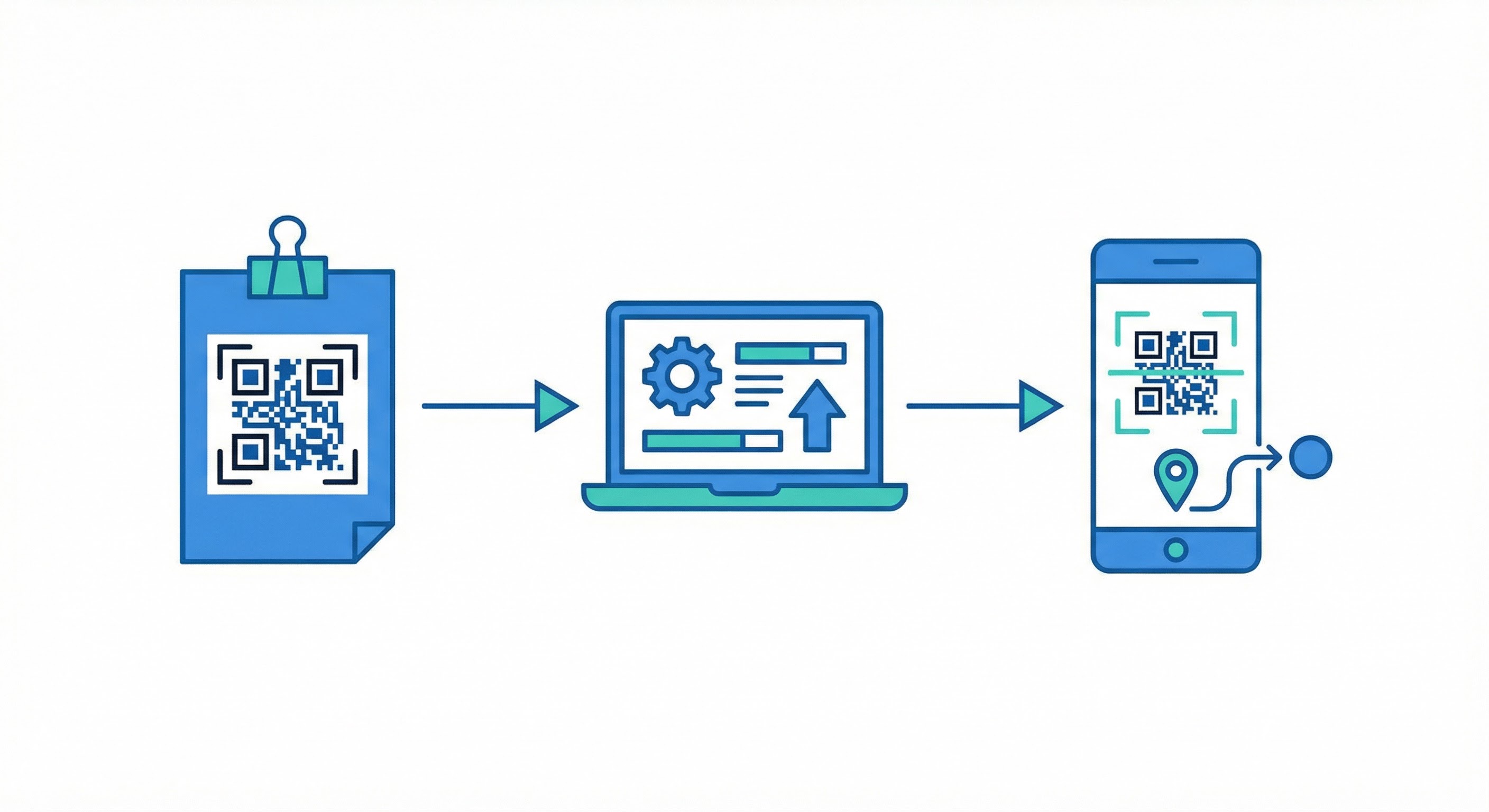
One of the most powerful — and often underappreciated — features of dynamic QR codes is their ability to be updated after printing. With a static QR code, the destination URL is permanently encoded into the code's pattern. Change the landing page URL, and the code becomes useless. With a dynamic code, the encoded URL points to a redirect layer that you control, meaning the underlying destination can be changed instantly from a dashboard — without touching the printed material.
Consider a retail store that has placed QR codes on shelf signage to direct shoppers to seasonal promotions. When the summer sale ends and a back-to-school campaign begins, the store simply updates the destination URL in Supercode — no new signage, no reprinting costs, no downtime. The same QR code continues working, now pointing to the new campaign. Research from Rytinco found that businesses using dynamic QR codes are 3.5x more likely to track and optimize campaign performance over time.
Dynamic codes also enable A/B testing across channels: the same physical code printed on a poster can be redirected to different landing pages for different time periods, letting marketers measure which message or offer generates more engagement. This flexibility makes dynamic QR codes the clear choice for any ongoing marketing program. See Dynamic vs. Static QR Codes: The Definitive 2026 Guide for a full comparison.
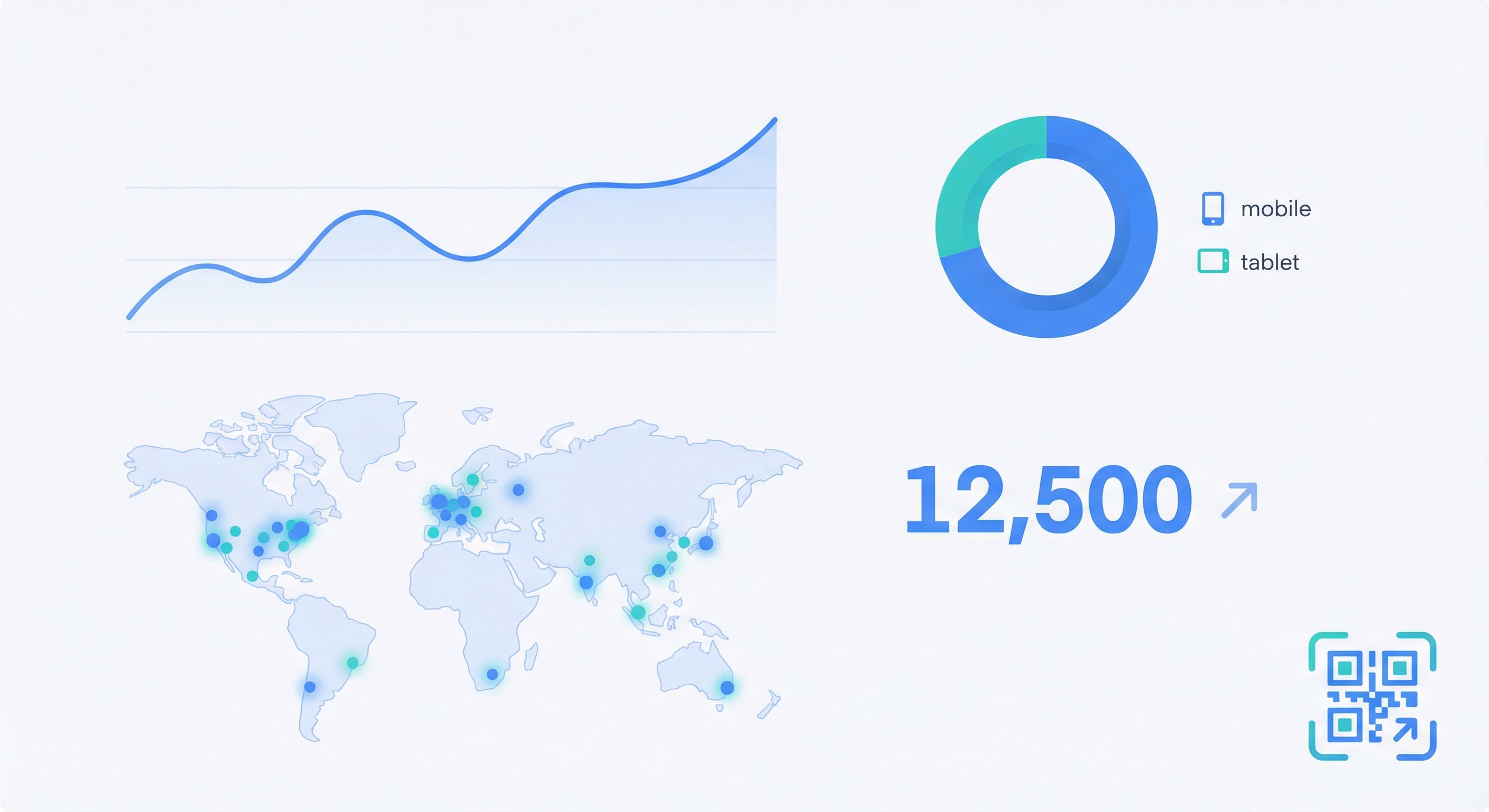
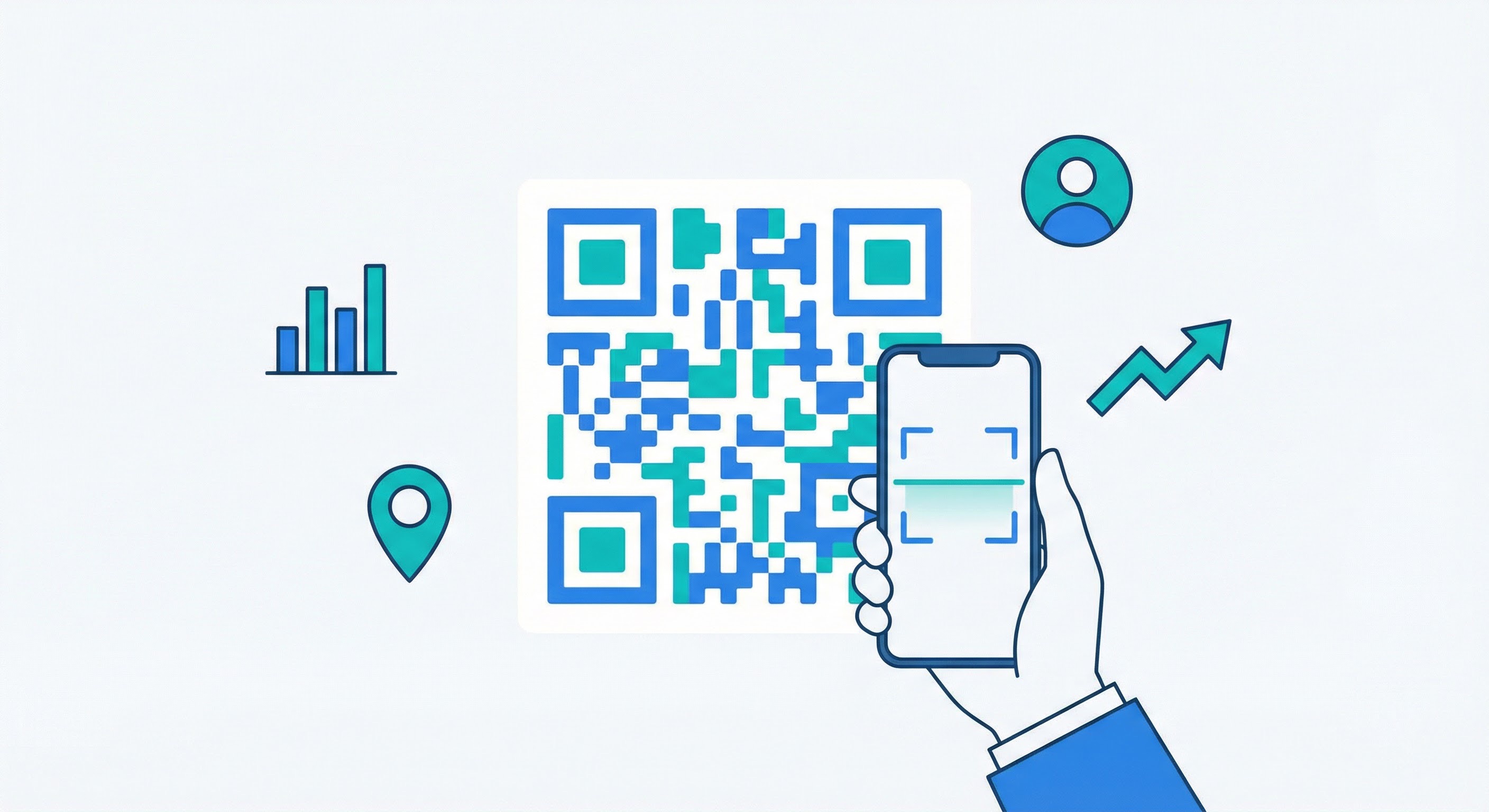
Traditional print marketing has always suffered from a fundamental measurement problem: it is nearly impossible to know how many people actually read your billboard, flyer, or magazine ad, let alone what action they took afterward. Dynamic QR codes solve this completely. Every scan is a trackable data point, and modern QR code platforms capture far more than a simple click count.
With Supercode's QR code tracking and analytics, businesses can measure:
This data does more than satisfy reporting requirements — it actively informs campaign optimization. If a QR code on a poster in one neighborhood generates ten times more scans than the same code in another location, that is actionable intelligence for future media buying. If scans peak on Wednesday evenings, that insight can shape email and social timing. According to Rytinco, 95% of businesses using dynamic QR codes confirm they collect valuable first-party data — a major competitive advantage in an era of increasing data privacy restrictions.
The QR code analytics advantage is especially pronounced compared to traditional advertising's 2–5% click-through rates. QR codes, when deployed with compelling CTAs in high-traffic contexts, can achieve click-through rates of 37% on initiated customer journeys — dramatically outperforming banner ads and even many email campaigns. See our QR Code Statistics 2026: Market Analysis & Trends for the full data picture.
Not all leads are equal. A consumer who actively picks up their phone, opens their camera, and scans a QR code has demonstrated a level of intent that passive advertising cannot replicate. They saw something interesting, they wanted to know more, and they took a physical action to get it. That intent signal makes QR-generated leads inherently higher quality than leads captured through retargeted display ads or mass email blasts.
Businesses use QR codes for lead generation across a wide range of touchpoints. A QR code on a trade show banner can link to a registration form that captures contact details. A code on a product package can invite customers to join a loyalty program. A code on a restaurant receipt can direct diners to leave a review or sign up for a newsletter. In each case, the scan indicates genuine interest — the person chose to engage.
Feedback QR codes are particularly effective for capturing customer sentiment at the moment of highest relevance — immediately after a purchase, service interaction, or event. This real-time data has far higher response rates than post-purchase surveys sent days later. Our full guide on How to Use QR Codes for Lead Generation covers the strategies and platform integrations that make QR-to-CRM pipelines work seamlessly. For specific industries, see our guides on QR codes for retail and QR codes for events.
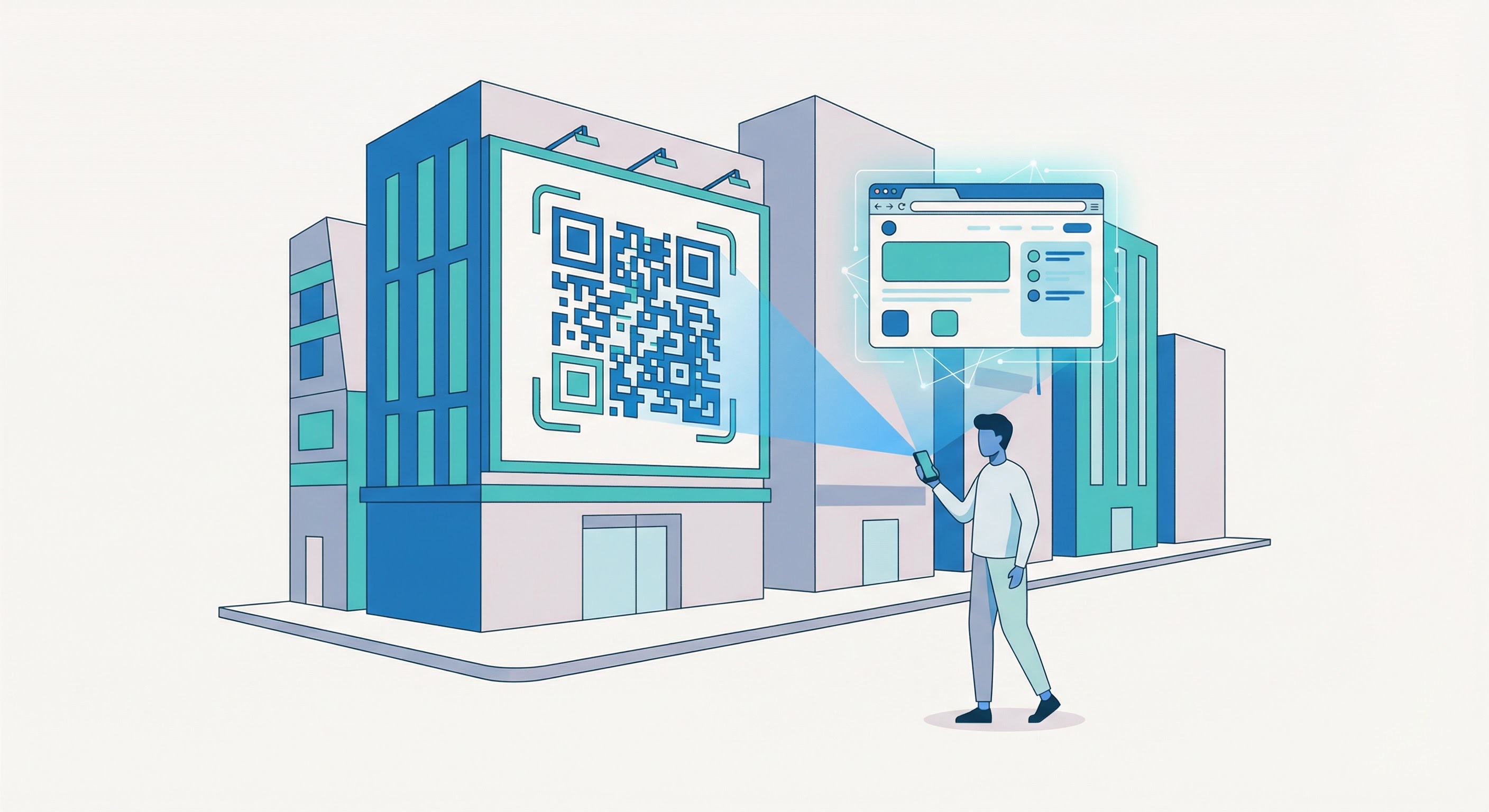
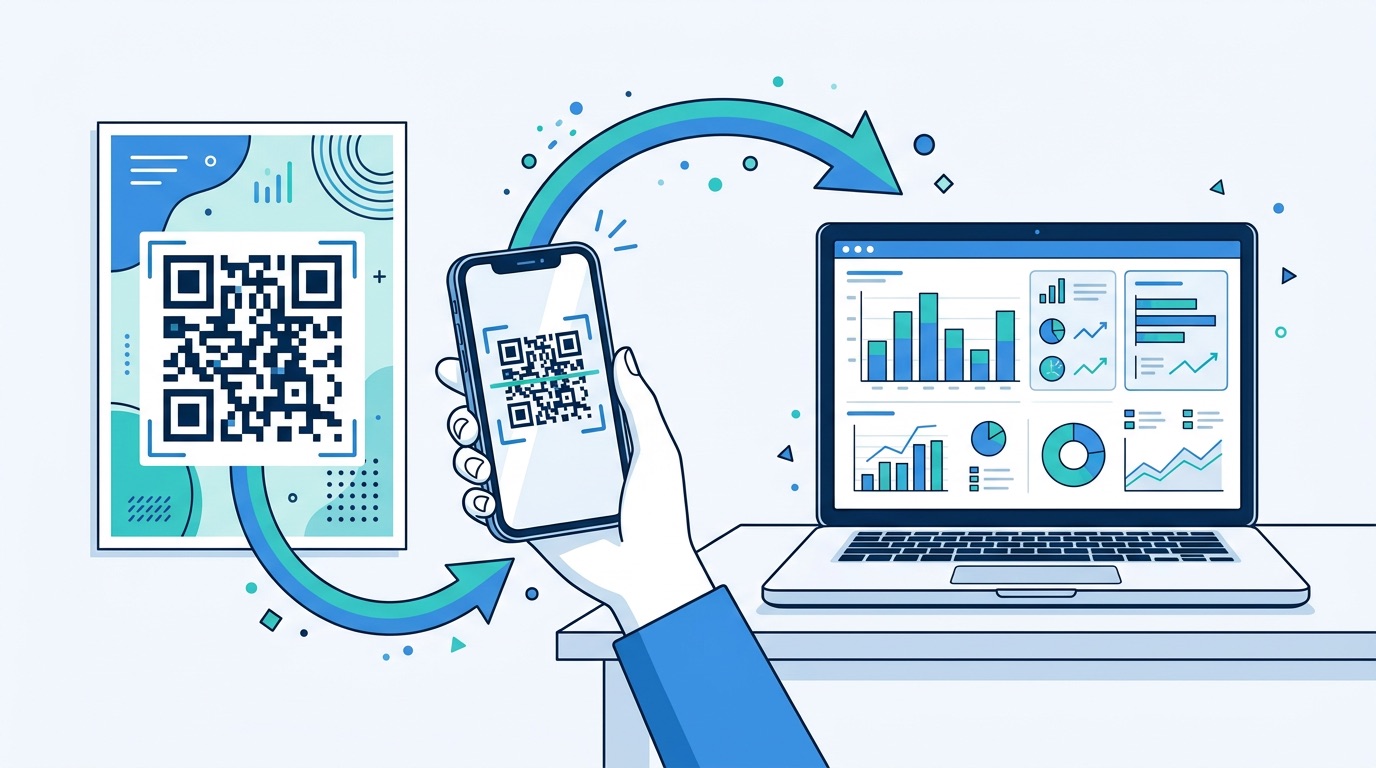
One of the structural weaknesses of traditional marketing is the gap between offline and online touchpoints. A customer sees a billboard but cannot immediately act on it. A shopper reads a magazine ad but must later search the brand online, where they may be distracted by competitors. QR codes eliminate this gap entirely by making every physical surface an interactive digital gateway.
This bridge capability is what makes QR codes so valuable in omnichannel marketing strategies. A QR code on product packaging can open a product demo video, a sustainability report, or a reorder page — turning passive packaging into an active sales channel. A QR code on a billboard or street advertisement can link pedestrians to a flash sale that expires at midnight, creating urgency that static print never could. A code in a magazine ad can route readers to an AR experience or an exclusive content hub.
According to QR Code Chimp's 2026 market analysis, the global QR code market is projected to grow from USD 1.5 billion in 2023 to USD 3.5 billion by 2033 — driven precisely by this physical-to-digital bridge capability as brands invest in integrated campaign infrastructure. For a complete strategic framework, see QR Code Marketing: The Complete Strategy Guide (2026).
The physical-digital bridge also unlocks valuable attribution data that was previously unavailable. When a consumer scans a QR code from a specific poster location, the marketer knows which physical touchpoint drove that digital action — closing the attribution loop that has frustrated print marketers for decades.
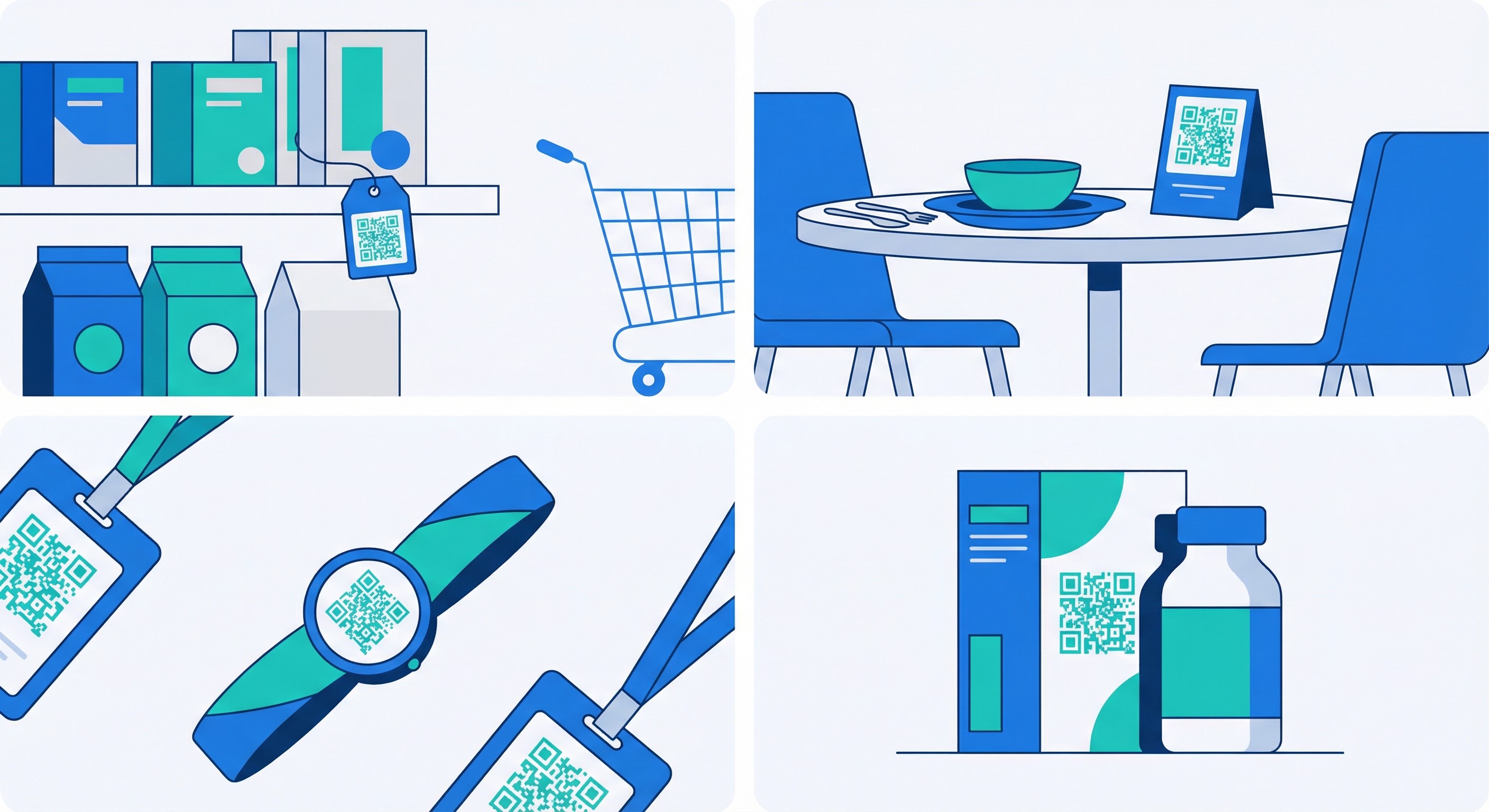
Few marketing tools work equally well across such a wide range of contexts as QR codes. Their versatility — a single technology that functions identically on a product label, a trade show banner, a doctor's waiting room sign, or a clothing tag — is one of the primary reasons adoption has accelerated so sharply across industries.
Consider the breadth of deployment:
This cross-industry versatility means QR code skills and infrastructure are transferable investments. A business that masters QR code campaigns in one context can rapidly extend that capability to new channels and verticals. For a comprehensive overview of deployment scenarios, see QR Code Uses: The 15 Most Practical Applications for Businesses (2026) and explore the full range of industry use cases and material applications.
The days of the plain black-and-white square are long gone. Modern QR codes can be fully customized with brand colors, company logos, custom frames, and styled patterns — transforming a functional data module into a branded marketing asset. This matters more than many marketers realize: branded and designed QR codes see scan rate increases of 25–40% over standard black-and-white codes, according to QR code trend research.
The reason is rooted in consumer psychology. A generic QR code gives potential scanners no information about what they are about to receive or who is behind it. A branded QR code featuring a recognizable logo and company colors immediately communicates trust, legitimacy, and brand alignment. The consumer knows before scanning that the experience will be consistent with the brand they already recognize.
Custom QR codes also reinforce brand recall. When a code is printed in a brand's primary colors with a logo at center, it becomes a recognizable brand element in its own right — particularly effective on branded merchandise, event materials, and brochures and print collateral. Supercode's design tools make it straightforward to create codes that match any brand style guide. For a complete walkthrough, see our QR Code Design: The Complete Guide to Creating Custom QR Codes (2026).
Consumer trust in QR codes has reached a tipping point. After initial hesitancy following the technology's re-emergence during the pandemic, adoption has surged to levels that make QR codes a reliable channel rather than a niche experiment. Krofile's 2026 QR statistics report projects that 2.9 billion people worldwide will use QR codes by 2025, with 84% of global mobile users having scanned at least one code. In the United States alone, nearly 100 million people scan monthly — a figure that has grown 240% since 2020.
Marketer sentiment mirrors consumer behavior. The Bitly 2026 report found that 88% of marketers say consumer sentiment toward QR codes has grown more positive over the past 12 months, with 40% describing the improvement as significant. Critically, 89% of businesses plan to maintain or increase their QR code usage in 2025 — indicating that those who have tested the technology are doubling down, not retreating.
This broad adoption creates a virtuous cycle: as more brands use QR codes responsibly and deliver genuine value to scanners, consumer trust deepens further. Shoppers who have had good QR scanning experiences are more likely to scan future codes — which is why investing in quality experiences (relevant landing pages, fast load times, mobile-optimized content) pays dividends across every subsequent campaign. For a deep dive into the data, see our QR Code Statistics 2026: Market Analysis & Trends.
Ultimately, the case for any marketing tool comes down to ROI — and QR codes make a compelling argument. The cost structure is exceptionally favorable: generating codes is inexpensive, the infrastructure to manage dynamic codes scales without proportional cost increases, and the primary variable expense is the physical printing surface (which would exist regardless of whether a QR code is included). Adding a QR code to an existing printed piece costs virtually nothing in marginal terms.
Against this low cost, the returns are measurable and often substantial. The 37% click-through rate on QR-initiated customer journeys — compared to 2–5% for digital display ads — represents a dramatic efficiency advantage. The elimination of reprinting costs through dynamic codes saves businesses significant operational expense over time. And the first-party data collected through QR analytics has growing value as third-party cookies disappear and privacy regulations tighten.
Supercode's pricing plans are designed to make professional-grade QR code capabilities accessible to businesses at every stage, from free through to Enterprise — every feature on every plan, with plans based on scan volume. Whether you are running a single campaign or managing thousands of codes across multiple markets, the platform scales without friction. See our product features page for a full breakdown of analytics, design tools, bulk generation, and integrations.
Creating a QR code that meets all ten effectiveness criteria does not require technical expertise — it requires the right platform and a clear strategy. Supercode provides everything needed to build, brand, and track professional QR codes in minutes:
For step-by-step instructions, see our complete guide: How to Create a QR Code: The Complete Step-by-Step Guide (2026). Ready to build your first effective QR code campaign? Sign up free with Supercode — no credit card required.
Scan rates vary widely depending on placement, CTA clarity, and the value offered to scanners. Well-designed QR codes in high-traffic locations with clear calls to action can achieve click-through rates of 25–40%. Research shows that QR-initiated customer journeys achieve an average 37% CTR — significantly above digital display advertising benchmarks of 2–5%. Branded QR codes with logos and custom colors tend to scan 25–40% more often than generic black-and-white codes.
Yes. QR code scanning is built into the native camera app on all modern iPhones (iOS 11 and later) and Android devices (Android 9 and later). Users simply point their camera at the code — no app download required. This native integration is one of the primary reasons QR code adoption surged after 2020 and has remained strong, with nearly 100 million Americans scanning monthly in 2025.
A static QR code has its destination URL permanently encoded into the code pattern — it cannot be changed after printing. A dynamic QR code uses a redirect layer that you control, so you can update the destination at any time without reprinting. Dynamic codes also enable analytics tracking, A/B testing, and scheduled redirects. For most business use cases, dynamic codes are the recommended choice. See our full comparison: Dynamic vs. Static QR Codes: The Definitive 2026 Guide.
Static QR codes last indefinitely — they will always redirect to the encoded URL unless that URL is taken offline. Dynamic QR codes remain active as long as your subscription with the QR code platform is active. With Supercode, all active plans maintain full redirect functionality. If a subscription lapses, the redirect layer may stop working, which is why choosing a reliable, established platform matters for campaigns intended to run for months or years.
Yes. With a platform like Supercode, businesses can manage dozens or hundreds of unique QR codes simultaneously — each pointing to a different destination, each with its own analytics. Codes can be organized into folders by campaign, location, or product line. For large-scale deployments, bulk QR code generation makes it straightforward to create and manage thousands of unique codes from a single CSV file.
The most common reasons QR code campaigns underperform are: using a static code that cannot be updated or tracked, linking to a non-mobile-optimized landing page, placing the code where it cannot be easily scanned (poor lighting, too small, requires data connection), failing to include a compelling call to action, and not measuring performance to iterate. Our guide on 10 Mistakes to Avoid When Creating QR Codes (2026) covers every pitfall in detail.