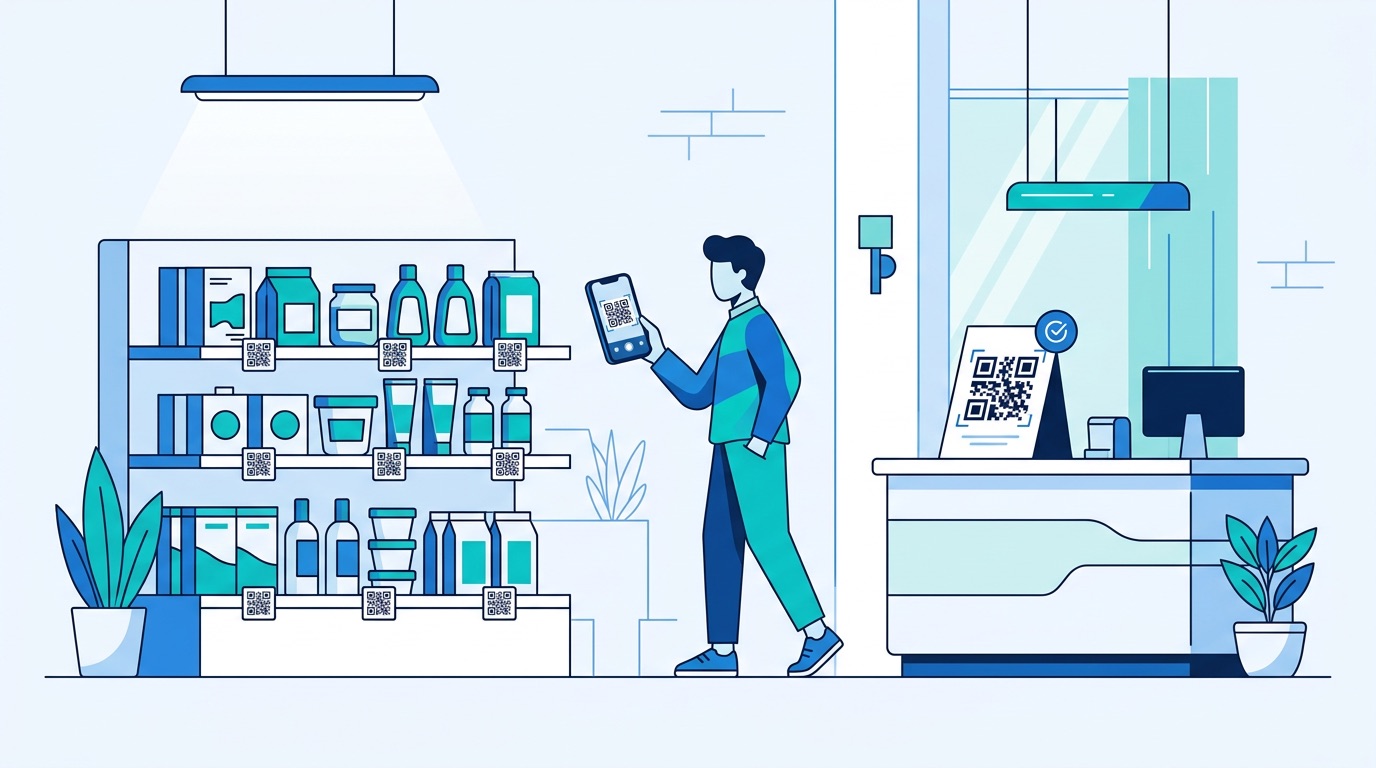
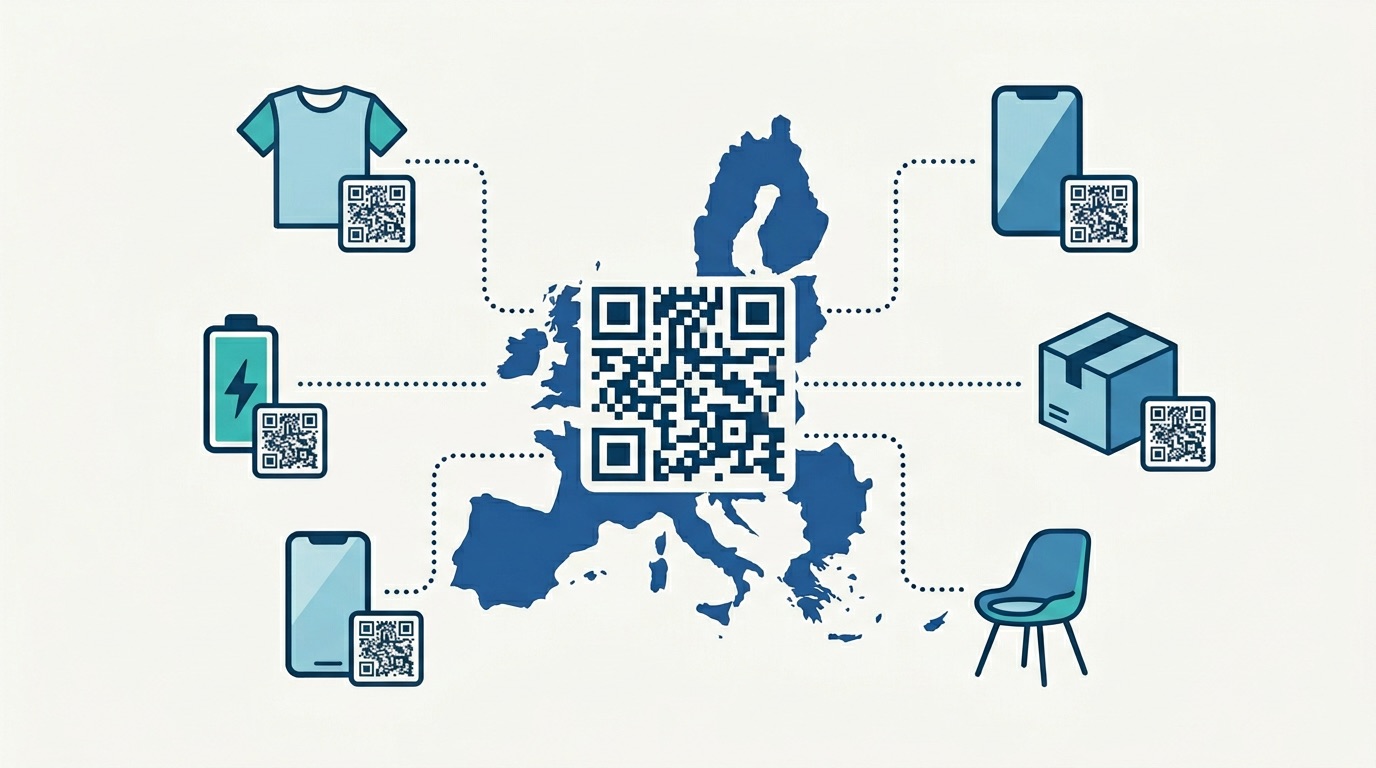
With 2.2 billion people worldwide now using QR codes and a global market worth $13 billion in 2025, it is clear that the square-shaped codes have become a permanent fixture of modern life. They appear on restaurant menus, product packaging, event tickets, healthcare records, retail displays, and everywhere in between. Yet despite this extraordinary reach, QR codes remain one of the most misunderstood technologies in business.
Misconceptions persist that QR codes are fragile, boring, easily hacked, or on the verge of being replaced. These myths prevent businesses from unlocking the full value of a technology that is, in reality, highly versatile, resilient, and still growing at 17% annually. In this guide, we take the 11 most persistent QR code myths and systematically dismantle each one with hard data and real-world examples — so you can use QR codes with confidence.
The belief that QR codes are nothing more than fancy URL shortcuts is one of the most limiting misconceptions in the field. While URL QR codes are certainly the most commonly seen type, the format supports a rich ecosystem of data types — each designed for a specific business outcome.
Here are the major QR code types used by businesses today:
Each type serves a different purpose across the buyer journey. A restaurant might use a URL code for its digital menu, a feedback code on its receipts, and a social media code on the takeaway packaging — all as part of a single cohesive campaign. The breadth of QR code types makes them one of the most flexible tools in modern marketing strategy.
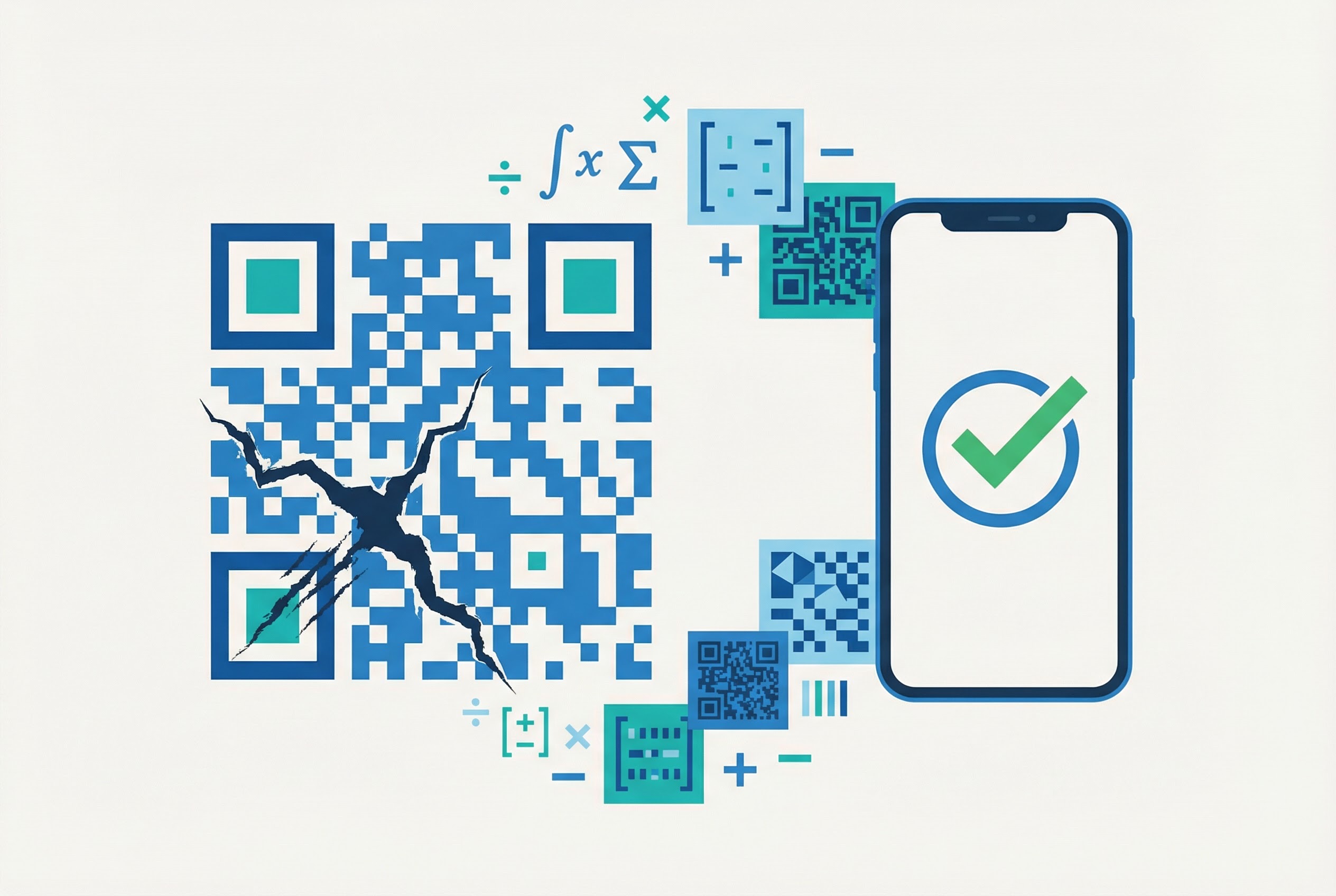
A surprisingly common concern is that QR codes will stop working if they get scratched, faded, or partially obscured. In practice, QR codes are engineered specifically to handle damage — and they handle it well.
QR codes incorporate Reed-Solomon error correction, the same mathematical algorithm used by CDs, DVDs, and space probes to recover data from damaged or incomplete sources. This system encodes redundant backup data directly into the code, so a scanner can mathematically reconstruct missing or corrupted sections without needing the full image intact.
There are four error correction levels, each offering progressively greater resilience:
This is exactly why you can place a brand logo in the middle of a QR code and it will still scan reliably — a Level H code is built to accommodate that. For custom QR code design, Supercode automatically selects the appropriate error correction level so you never have to worry about a design choice breaking scan functionality.
For outdoor materials like QR codes on posters, billboards, or vehicle wraps, choosing Level Q or H is good practice to account for environmental exposure over time.
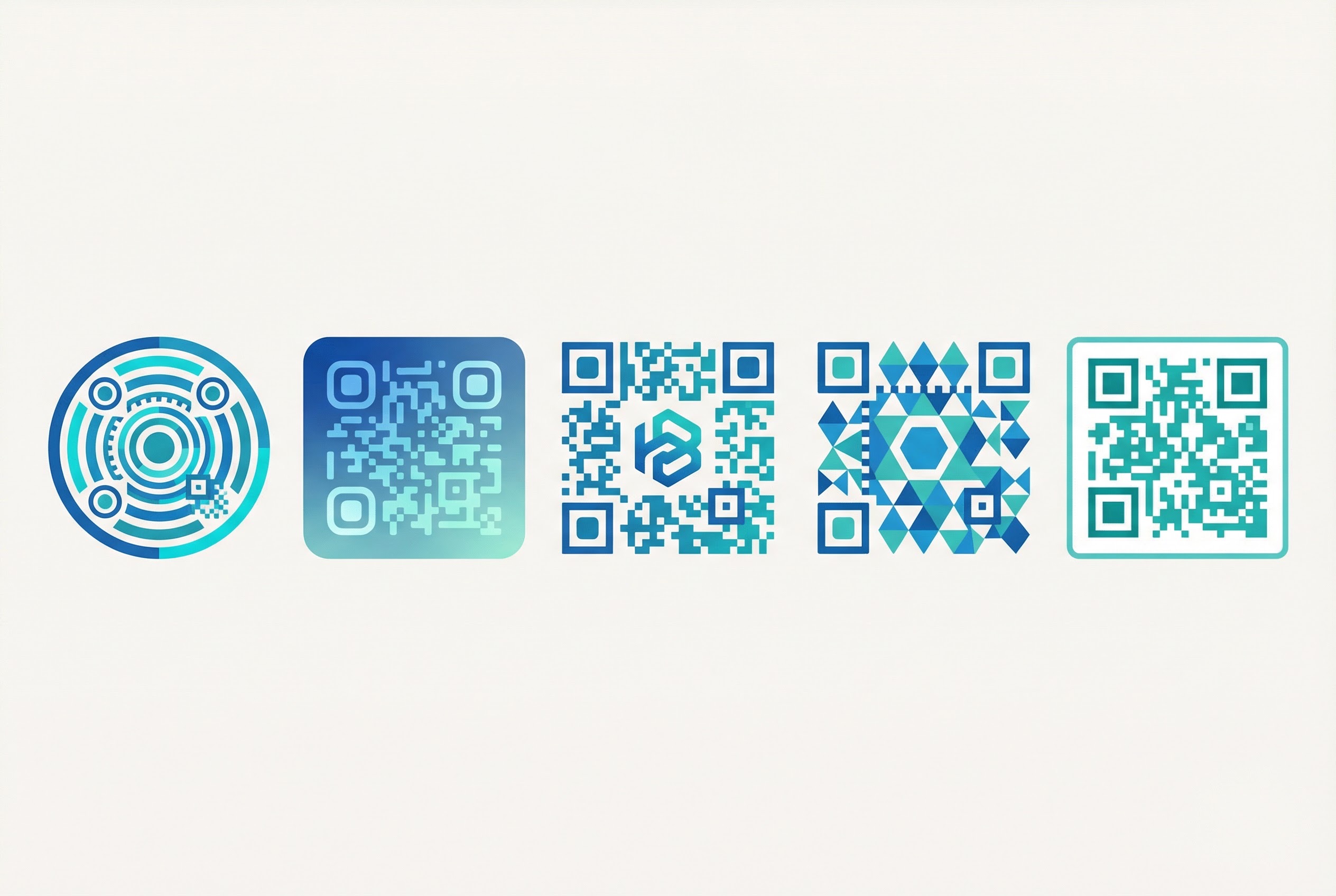
The black-and-white grid pattern is the original QR code format — but it has not been the only option for years. Today, fully branded, visually distinctive QR codes are not just possible; they are standard practice for any brand that takes visual identity seriously.
Modern QR code generators like Supercode offer extensive customization options:
The business case for custom QR codes goes beyond aesthetics. Research shows that branded QR codes generate significantly higher scan rates than plain black-and-white versions because they build visual trust and stand out in crowded environments. A QR code that matches your brand palette on a product package or printed brochure tells consumers immediately that it is official, intentional, and worth scanning.
Explore Supercode's QR code design tools to see the full range of customization available on every plan, including free.
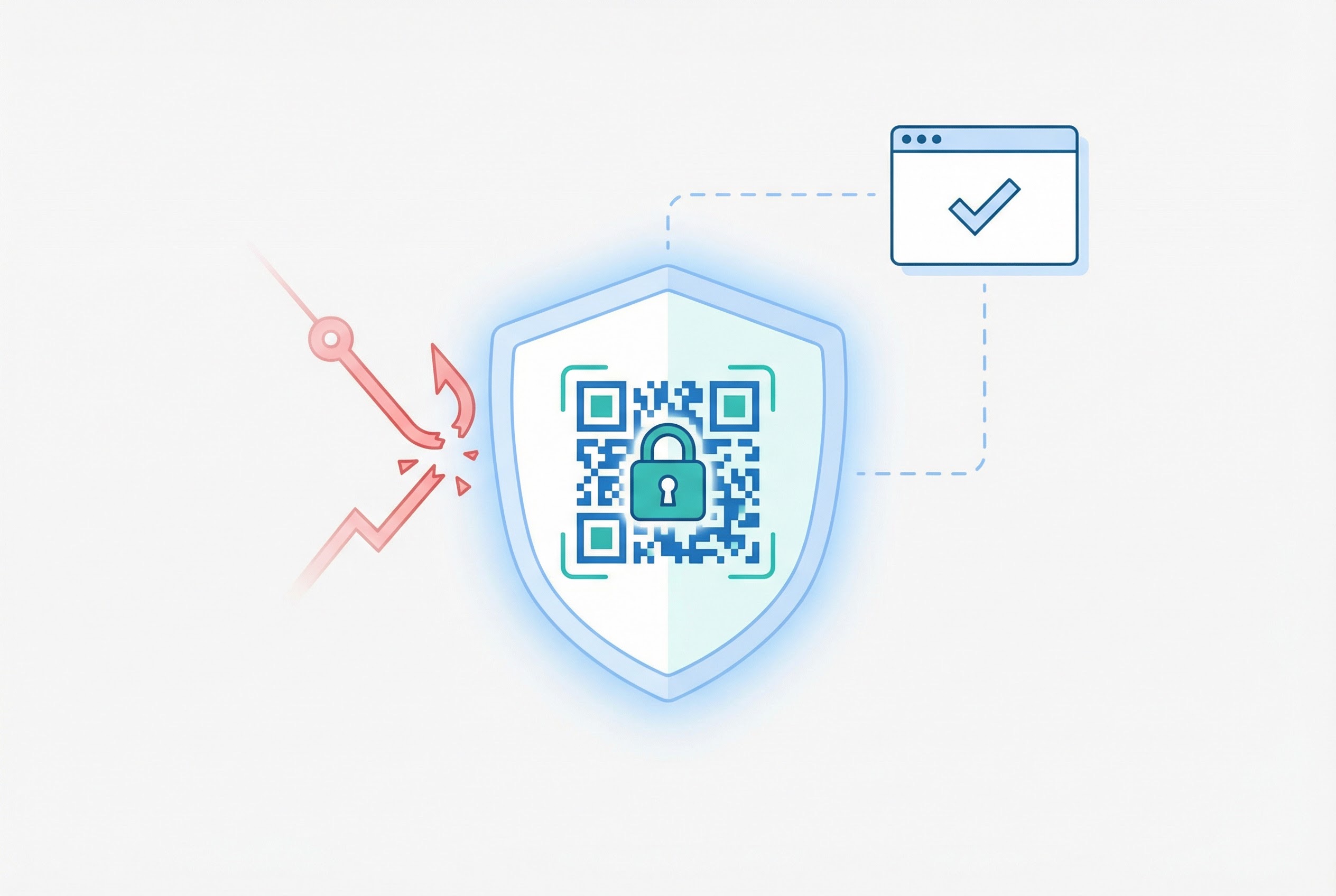
This myth conflates two different scenarios and, as a result, creates both false reassurance and unnecessary fear. The truth is more nuanced — and more actionable.
Can your legitimate QR code be hijacked and redirected to a malicious site? In practice, no. A QR code — whether static or dynamic — can only be modified by someone with authenticated access to the account that created it. There is no known mechanism by which a third party can intercept an existing QR code and silently redirect its destination without breaching your account credentials.
So where does the risk actually come from? The real threat is replacement, not hijacking. Bad actors print and physically place fake QR codes over legitimate ones — on parking meters, restaurant tables, public signage, or ATMs — to redirect unsuspecting users to phishing sites. This attack vector, known as quishing, is growing: 12% of all phishing attacks in 2025 involved QR codes, and incidents rose 25% year-over-year.
For businesses deploying QR codes, this means the priority is not protecting the code itself from technical hijacking — it is ensuring the physical placement of your codes cannot be tampered with. Practical steps include:
For a comprehensive look at QR code security — including how to spot quishing attempts and what safe scanning looks like — read our full guide on QR code safety in 2026. Using dynamic QR codes also adds an extra layer of security, because you retain the ability to instantly redirect the destination URL if you ever suspect a campaign has been compromised.
For businesses that need individualized QR codes at scale — product serialization, event ticketing, loyalty program codes, warranty registration, or pharmaceutical track-and-trace — the perceived impossibility of bulk generation has historically been a barrier. It is not a real one.
Modern bulk QR code generation tools are specifically designed for exactly this use case. With Supercode's Bulk QR Code generator, the process works as follows:
This approach scales from dozens to hundreds of thousands of codes without manual intervention. Our guide on how bulk QR code generation works walks through every step, including how to structure your data file and choose the right code type for serialization use cases. Industries from retail to healthcare rely on bulk generation for operational efficiency at scale.
The myth that a QR code can be inverted (colors reversed), mirrored (horizontally flipped), or used in an entirely different orientation for a different purpose misunderstands how the QR standard works at a structural level.
QR codes rely on three large finder patterns — the square-within-a-square symbols in three corners of every code — to tell a scanner the code's exact position, size, orientation, and boundaries. These patterns are asymmetric by design: the missing fourth corner (which carries a smaller alignment pattern instead) is how the scanner knows which way is "up." A mirrored code has its finder patterns in the wrong positions; a scanner cannot establish the correct reading frame and will fail to decode it.
Color inversion (white modules on a dark background) is similarly problematic. The QR standard specifies that the dark modules encode data on a light background. Most modern smartphone cameras have become tolerant of slight inversions in controlled conditions, but inverted codes fail frequently enough that they should never be used intentionally in any production context.
Additionally, every QR code is uniquely generated for its specific content. Two codes encoding identical data will look different because the algorithm applies masking patterns to optimize readability — making it impossible to reuse or transpose one code as a substitute for another.
Visual recognition (the ability to identify a real-world object from an image) is a genuinely impressive technology. But it is designed to answer the question "what is this?" — not "open this specific URL" or "send this data." That is a fundamentally different problem, and QR codes solve theirs far more reliably.
The limitations of visual recognition as a replacement for QR codes are significant:
Rather than competing with QR codes, computer vision technologies increasingly complement them — smartphone cameras use visual recognition to find a QR code in a scene before decoding it, combining both technologies for a seamless user experience. The QR code market's trajectory — growing at 17% CAGR through 2030 — shows no sign of visual recognition displacement.

The concern that QR codes might one day "run out" — much like IP addresses once seemed like a finite resource — fundamentally misunderstands how QR code capacity is calculated.
The number of possible unique QR codes is effectively boundless for any practical purpose. Here is why: a standard QR code at maximum capacity (Version 40) encodes up to 23,624 bits of data. Since each bit can exist in one of two states, the total number of possible unique combinations is 223,624 — a number larger than the estimated number of atoms in the observable universe (approximately 1080).
To put that in perspective: if every person on Earth created a trillion QR codes per second from the beginning of the universe, we would have used a negligible fraction of the available space. Scarcity is simply not a concern.
Beyond theoretical capacity, QR codes also offer flexible encoding modes that expand practical utility:
For enterprise-scale deployments involving product serialization, asset tracking, or unique customer identifiers, bulk QR code generation via Supercode's API makes it straightforward to generate as many unique codes as any operation could ever require.

This myth peaked briefly around 2015-2016 when QR adoption stalled in Western markets due to the requirement for third-party scanning apps. It was revived during early pandemic skepticism and is now comprehensively disproven by the data.
The reality in 2025 and 2026 is that QR code scanning has entered a period of exceptional, sustained growth:
The inflection point came in 2017-2020 when Apple (iOS 11) and Google (Android 9) baked native QR scanning directly into smartphone cameras. Removing the app-download barrier created an instant, frictionless scan experience for billions of users — and adoption has accelerated every year since.
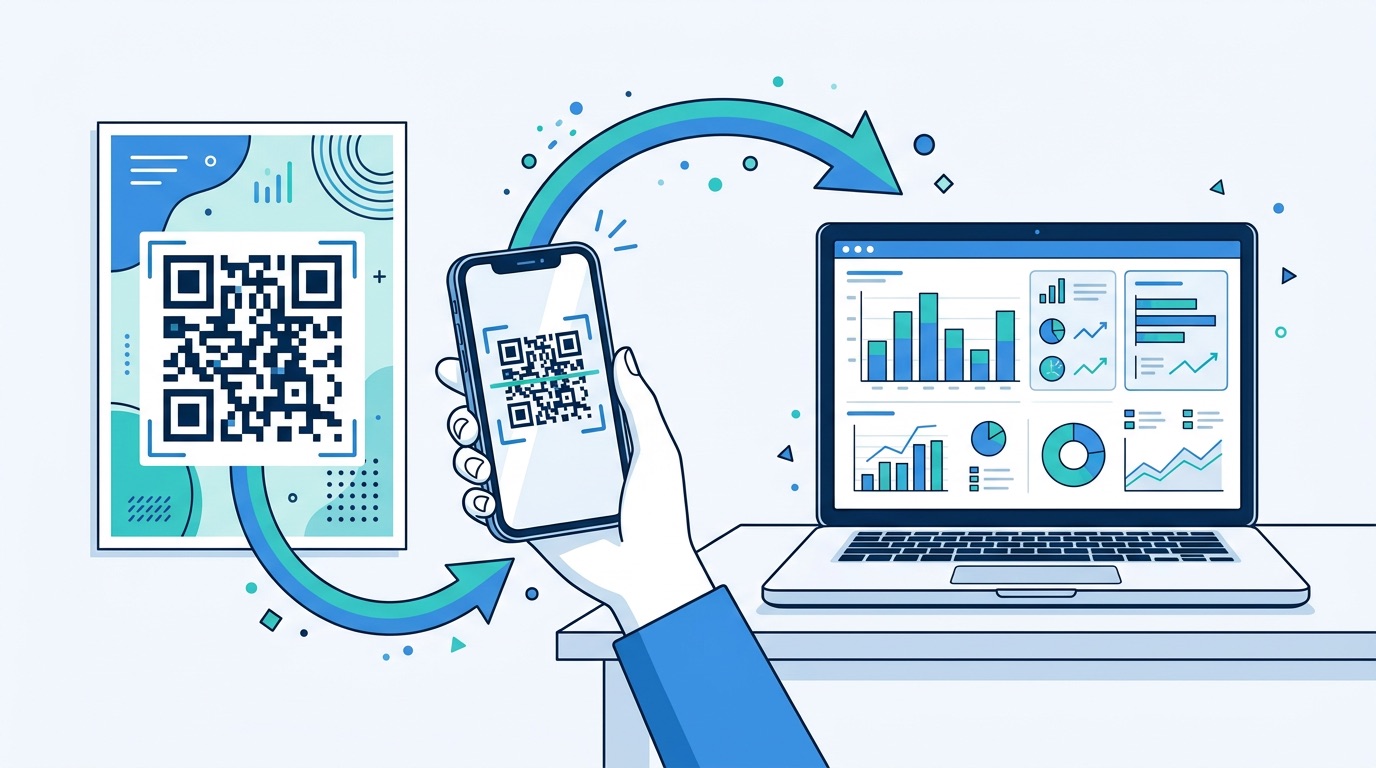
For businesses, the practical implication is that QR codes have become a reliable engagement channel with a real, trackable audience. Using QR code tracking and analytics, you can monitor exactly how many people scan each code, when they scan, and from where — turning physical marketing materials into measurable, data-driven campaigns. Industries leading in QR engagement include restaurants, retail, and events — but adoption spans every sector.
Technology fads disappear because they stop solving real problems or get superseded by something fundamentally better. QR codes have done the opposite: they have become more embedded in business infrastructure with each passing year, and the structural reasons for their durability are only strengthening.
Five reasons QR codes are here to stay:
Businesses investing in QR code infrastructure — creating well-structured codes, setting up analytics tracking, and building QR-enabled campaigns — are investing in a channel that will continue generating returns for years. See our QR code statistics for 2026 for the latest adoption data by industry and region.
Near Field Communication (NFC) is a capable technology — it powers contactless card payments, transit ticketing, and device pairing. But positioning it as a direct replacement for QR codes in business and marketing contexts misunderstands what each technology is actually good for.
The comparison breaks down clearly across four dimensions:
The most effective campaigns often use both technologies for different touchpoints — NFC for high-value, close-proximity interactions (contactless payment, premium product authentication) and QR codes for broad-reach visual campaigns where cost, range, and surface flexibility matter. They are complementary tools, not competing ones.
For businesses evaluating QR code deployment options, Supercode's pricing starts free — every feature included on every plan, with no per-code fees. Upgrade only when you need more scan volume — making large-scale QR campaigns highly cost-effective compared to NFC tag-based alternatives.
Static QR codes never expire — they encode data directly into their pattern and will scan correctly as long as the image is intact. Dynamic QR codes, which redirect through a URL, remain active as long as the account managing them remains in good standing. With Supercode, dynamic QR codes stay active on all plans, including the free plan.
A QR code itself cannot contain a virus — it is just a data-encoded image. The risk is that a QR code could link to a malicious website that attempts to install malware or steal credentials. The same caution that applies to clicking unknown links in emails applies to scanning unknown QR codes. Always verify the domain shown in your camera app's preview before tapping through. Read our full guide on QR code safety for detailed guidance.
As of 2025, approximately 99.5 million U.S. smartphone users scan QR codes, with 2.2 billion worldwide. Usage grew 323% between 2021 and 2024, and 9 in 10 consumers engage with QR codes at least weekly. The "nobody scans QR codes" objection is no longer supported by any credible data.
Yes, when designed correctly. A custom QR code with strong contrast between module color and background, created at Level H error correction, will scan as reliably as a standard black-and-white code. The key pitfall to avoid is insufficient contrast — for example, dark blue modules on a dark gray background. Supercode's design tool includes a real-time scan test so you can verify reliability before downloading.
Dynamic QR codes provide detailed analytics including total scan count, scan timestamps, device types, operating systems, and geographic location data. You can monitor campaign performance in real time and use the data to optimize timing, placement, and targeting. See our guide on QR code tracking and analytics for a full breakdown of what's measurable.
The QR standard supports a wide range of data types, with the most commonly used being URL, vCard (contact info), social media, email, SMS, plain text, PDF, image, and feedback. Each type is purpose-built for a specific use case. Supercode supports all major types through a single platform — see the full solutions overview for the complete list.
QR codes are not fragile, boring, hackable, dying, or limited. They are a resilient, highly customizable, analytically trackable, and universally accessible communication channel used by billions of people every day — with a market growing faster than most digital advertising formats.
The myths covered here originate from outdated information, misunderstood technical specs, and underestimation of how dramatically the technology has evolved. In reality, a well-deployed QR code campaign — with custom design, dynamic editing, and scan analytics — is one of the highest-ROI touchpoints available to marketers and operations teams alike.
Ready to put these myths to rest in your own campaigns? Sign up for Supercode free and create your first custom, trackable QR code in under two minutes. Explore our full feature set or check our pricing — every feature on every plan, choose the scan volume for your team.